How Do Spam Callers Know My Name? How They Found You
When a robocall uses your name, it came from somewhere. Here's how spam callers find your number with your name attached, and how to erase that link.

Key takeaways
- Spam callers know your name because data brokers and lead generators sell lists that tie your phone number to your name, address and more.
- Some lead-generation sites had an average of 10,000 real-time leads available to sell each day, up to 50,000 on exceptional days, which they sold to telemarketers for solar, hearing aids, car warranties and other high-commission offers.
- The FTC says data brokers can match a phone number to name and address, then sell access to anyone willing to pay.
Last checked: Oct 21, 2026.
"Hi Sarah, this is about your home loan." You've never given this number to any mortgage company. So how do they know your name?
They bought it.
When a robocall starts with your name, it means your phone number showed up on a list next to that name. Here's how that list was made, who's selling it, and how to get off it.
Where the name came from: three sources
1. Lead-generation websites
These sites promise something free, collect your contact details, then sell you as a "lead" to telemarketers.
The DOJ's case. In January 2024, the Justice Department sued Response Tree, a California lead generator, on referral from the FTC. According to the complaint:
- Response Tree operated over 50 websites like PatriotRefi.com, which promised free mortgage quotes.
- It collected names, phone numbers, addresses and consent language.
- At their peak, Response Tree had an average of 10,000 real-time leads available to sell each day, and up to 50,000 on exceptional days (FTC complaint, Jan 2024).
That's one operation. Hundreds more like it exist.
The DOJ settlement banned Response Tree from "making or assisting others in making" robocalls (FTC press release, Jan 2024).
2. People-search sites and data brokers
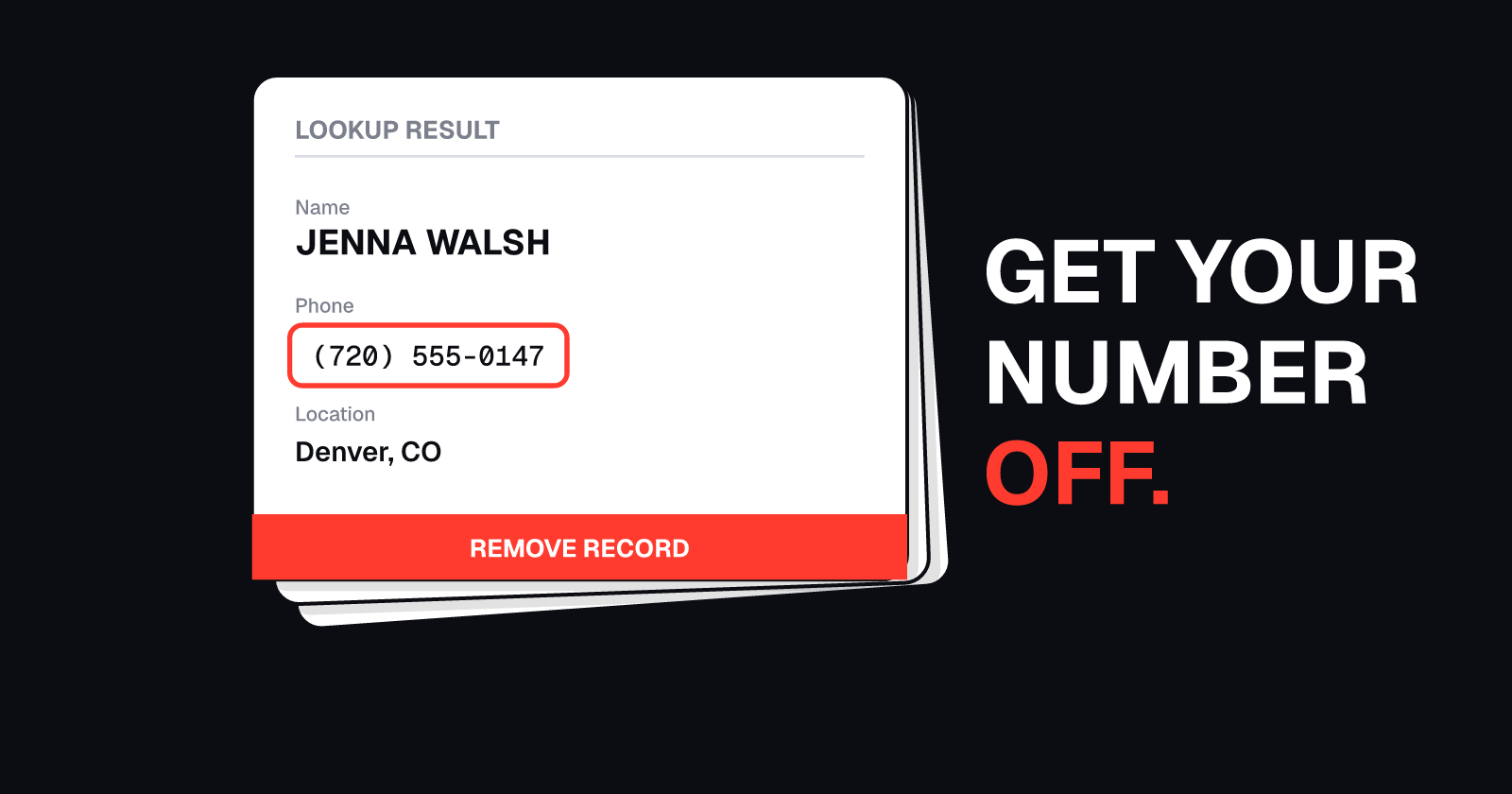
People-search sites scrape public records, social media, marketing lists and breached databases, then sell access to anyone.
How they connect the dots. The FTC's 2014 report on data brokers explains that brokers can match a phone number to a name and address by cross-referencing multiple sources (FTC Data Brokers report, May 2014).
A typical people-search listing shows:
- Your full name
- Your phone number
- Your current and past addresses
- Your age
- Your relatives' names
Anyone who pays can see it. That includes telemarketers, scammers, and lead buyers.
Where to check. A January 2024 FTC consumer alert describes how companies like Response Tree trick people into giving their details, then sell that information to telemarketers (FTC consumer alert, Jan 2024).
Search your phone number in quotes on Google. If a people-search page shows your name next to it, that's the link.
3. Forms, breaches and answered calls
Other ways your number ends up on a named list:
- Quote forms and contests. Many include consent language allowing "partners" to contact you.
- Data breaches. Leaked databases often include phone numbers tied to names.
- Answering robocalls. The FTC warns that pressing a number to be "removed" from a list "might lead to more unwanted calls" because it tells the caller the number is active (FTC Robocalls guide).
How to stop them from using your name
Ranked by impact:
1. Remove your phone number from people-search sites
This breaks the public link between your number and your name.
Where to start:
- Search your phone number in quotes on Google:
"(555) 555-0100" - If a people-search site shows your name, follow its opt-out process.
- Start with the biggest sites: Whitepages, Spokeo, BeenVerified, TruePeopleSearch, Intelius.
Our removal guide has opt-out instructions for 15 major sites.
Google's tool. You can also ask Google to remove results that show your phone number using Results about you. Our Google removal guide explains how.
2. Turn on call blocking
The FTC calls this your best defense against robocalls (FTC, How To Block Unwanted Calls).
Three layers:
- Your carrier: Most offer free spam labeling or blocking. Check your carrier's app.
- Your phone: iPhone's "Silence Unknown Callers" and Android's spam protection send unknown numbers to voicemail.
- A call-blocking app: Many exist; check what data the app collects before installing.
3. Register with the Do Not Call Registry
It's free at donotcall.gov or 1-888-382-1222.
What it does. The Registry tells law-abiding telemarketers not to call you. It doesn't block calls, so scammers still get through. But it reduces legal sales calls, which makes the remaining ones easier to recognize as scams (FTC Do Not Call FAQs).
4. Never answer or engage
Don't answer unknown numbers if you can avoid it. If you do and hear a recording, hang up. Don't press buttons or call back (FTC Robocalls guide).
For texts, don't reply "STOP" to obvious scams. Forward spam texts to 7726 (SPAM) instead (FCC).
5. Stop filling out quote forms
Use a secondary number for online forms, contests and store loyalty programs. Leave "phone" blank whenever it's optional.
The honest answer
Spam callers know your name because someone sold them a list with your phone number next to it. That list came from a lead generator, a people-search site, a data broker, a breach, or a form you filled out.
You can't stop every call, but you can break the easiest link: removing your phone number from people-search sites cuts off the public connection between your number and your name. Call blocking handles the volume. The Do Not Call Registry reduces legal sales calls. Not engaging keeps you off "live number" lists.
Listings can reappear, so recheck every few months. UndoLeak erases your data from data brokers and keeps it off.
Sources
- U.S. Department of Justice, "United States Settles Suit Against Lead Generator for Assisting and Facilitating Illegal Robocalls" (Jan 19, 2024). https://www.justice.gov/opa/pr/united-states-settles-suit-against-lead-generator-assisting-and-facilitating-illegal
- FTC press release, "California-based lead generator agrees to settlement banning it from making or assisting others in making illegal robocalls" (Jan 2024). https://www.ftc.gov/news-events/news/press-releases/2024/01/california-based-lead-generator-agrees-settlement-banning-it-making-or-assisting-others-making
- FTC consumer alert, "How are robocallers getting your phone number?" (Jan 2, 2024). https://consumer.ftc.gov/consumer-alerts/2023/12/how-are-robocallers-getting-your-phone-number
- FTC, "Data Brokers: A Call for Transparency and Accountability" (May 2014). https://www.ftc.gov/reports/data-brokers-call-transparency-accountability-report-federal-trade-commission-may-2014
- FTC, "What To Know About People Search Sites That Sell Your Information." https://consumer.ftc.gov/articles/what-know-about-people-search-sites-sell-your-information
- FTC, "Robocalls." https://consumer.ftc.gov/articles/robocalls
- FTC, "How To Block Unwanted Calls." https://consumer.ftc.gov/articles/how-block-unwanted-calls
- FTC, "National Do Not Call Registry FAQs." https://consumer.ftc.gov/articles/national-do-not-call-registry-faqs
- FCC, "Stop Unwanted Robocalls and Texts." https://www.fcc.gov/consumers/guides/stop-unwanted-robocalls-and-texts
Frequently asked questions
How do spam callers know my name when they call?
Your phone number appears on people-search sites, lead-generation lists, and data broker files that tie it to your name, address and age. Scammers and telemarketers buy those lists. The FTC says data brokers can match a phone number to name and address using public records, marketing data and old breaches.
How did spam callers get my number?
Your number ends up on lists through people-search sites scraping public records, quote forms and contests you filled out, data breaches, or by answering robocalls. The FTC warns that pressing buttons on robocalls can lead to more calls.
What are lead generators and why do they call me?
Lead generators run websites that promise free quotes or services, collect your contact info, then sell it as "leads" to telemarketers. In January 2024, the DOJ sued Response Tree for running over 50 such sites. At their peak, they had an average of 10,000 real-time leads available to sell each day, up to 50,000 on exceptional days.
Can I stop spam callers from using my name?
Remove your listings from people-search sites so your number and name aren't linked in public databases. Use your carrier's spam filter, register with the Do Not Call Registry, and never answer robocalls or press buttons.
Do all spam calls come from lead generators?
No. Some come from data brokers selling your info, some from breaches, some from public records scrapers, and some from lists built by answering previous robocalls. Lead generators are one major source, but not the only one.
undoleak Team